



Supplier


The Ultimate Guide to UK Fuel Specifications
Fuel specifications are technical standards that define the chemical and physical properties of fuels to ensure engine compatibility, safety, and environmental compliance. In the UK, the primary standards are BS EN 590 for road diesel, BS 2869 for off-road gas oil and kerosene, and EN 15940 for paraffinic renewable fuels like HVO.
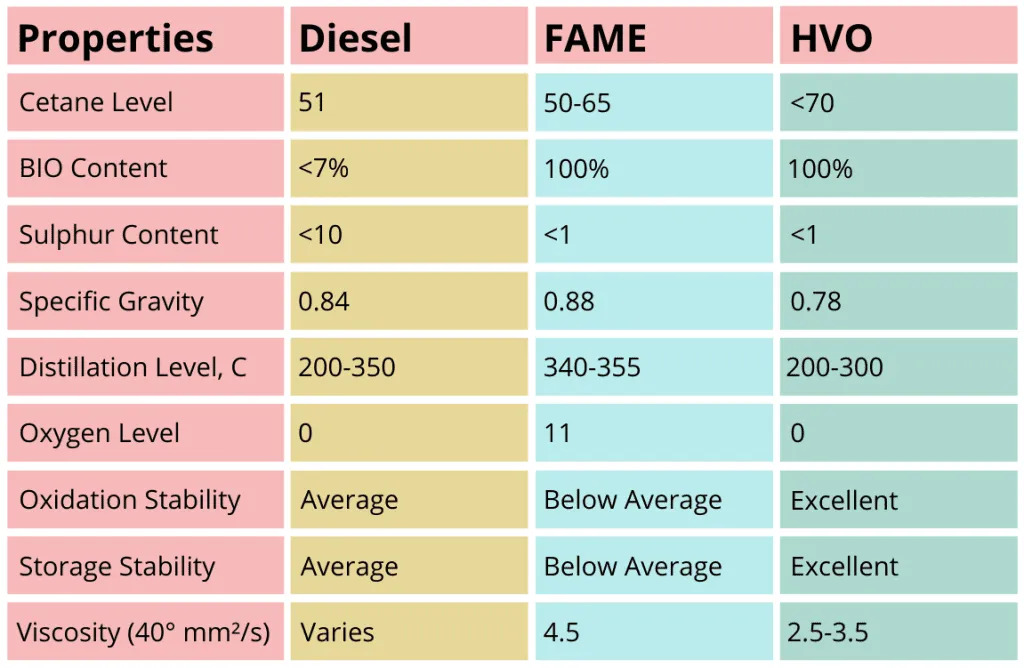
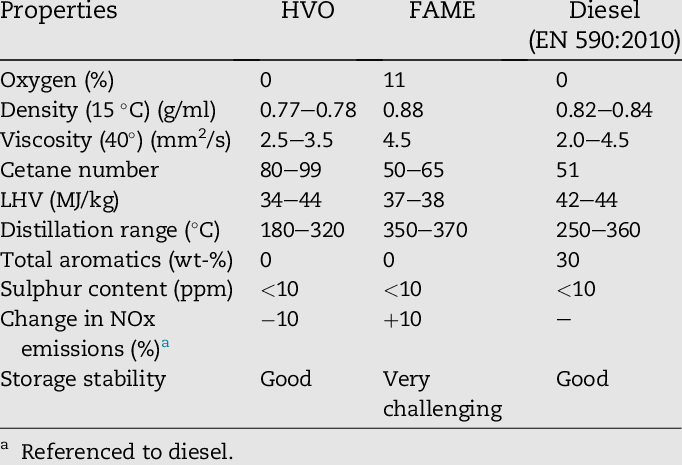
Quick Reference: Fuel Specification Comparison
| Category | Primary Keyword | Governing Standard | Key Technical Metric | Primary Application |
|---|---|---|---|---|
| Road Fuel | White Diesel (DERV) | BS EN 590 | Cetane Number >51 | Logistics, Fleet Vehicles |
| Renewable | HVO Fuel | EN 15940 | FAME-Free / Paraffinic | Drop-in Diesel Replacement |
| Off-Road | Red Diesel (Gas Oil) | BS 2869 (Class A2) | Sulphur <10ppm | Agriculture, Construction (NRMM) |
| Heating | Kerosene | BS 2869 (Class C2) | 28-Second Viscosity | Domestic Heating |
| Heating | IHO | Manufacturer Spec | Zero Bio Content | Commercial Boilers |
Introduction
For procurement managers and fleet operators, fuel is more than a commodity—it is a critical operational variable. Using the wrong specification can lead to catastrophic engine failure, voided warranties, or heavy legislative fines under NRMM regulations.
Whether you are sourcing Class A2 Gas Oil for plant machinery or EN 15940 HVO to decarbonize your fleet, understanding the alphabet soup of standards (ISO, BS, EN) is vital for operational continuity. This guide breaks down the essential British and International standards governing the UK fuel market.
The Governing Standards: BS 2869 and Beyond
-
BS 2869:
The overarching standard for fuel oils, including Red Diesel and Kerosene.
-
BS EN 590:
The non-negotiable standard for White Diesel (DERV) used in road vehicles.
-
EN 15940:
The emerging standard for Paraffinic Diesel (HVO), ensuring synthetic fuels are compatible with existing engines.
-
ISO 22241:
The global standard strictly for AdBlue quality, essential for modern SCR emissions systems.
White Diesel (DERV) for Road Transport
Key characteristics include:
-
ULSD (Ultra Low Sulphur Diesel):
Modern road diesel contains minimal sulphur (<10ppm) to protect exhaust catalysts.
-
B7 Diesel:
Standard pump diesel contains up to 7% biodiesel (FAME) to meet renewable targets.
-
Cetane Number >51:
A critical measure of combustion quality; higher numbers indicate better ignition and engine performance.
Red Diesel (Gas Oil) for Off-Road Usage
-
Class A2:
The modern specification for off-road tractors and plant. It is virtually identical to road diesel but dyed red.
-
Class D:
An older specification for stationary generators, though less common now due to stricter emissions logic.
-
NRMM (Non-Road Mobile Machinery):
The regulatory term defining where Red Diesel can legally be used.
The Renewable Shift: HVO Fuel
Hydrotreated Vegetable Oil (HVO) is revolutionizing the industry. Unlike standard biodiesel, HVO is a Paraffinic Diesel and is classified as a Drop-in Alternative. This means it can replace diesel immediately without engine modifications.
Why are fleets switching?
-
FAME-Free:
It contains no Fatty Acid Methyl Esters, eliminating the “diesel bug” sludge issues associated with biodiesel.
-
Synthetic Diesel:
It offers superior purity compared to crude refining.
-
Reduced Emissions:
Significant reduction in NOx and Particulate Matter.
Heating Fuels: Kerosene vs. Industrial Heating Oil (IHO)
-
Kerosene (Class C2):
Also known as 28-Second Oil or Burning Oil, this is the standard for home heating systems.
-
Industrial Heating Oil (IHO):
A cost-effective alternative to Gas Oil strictly for heating boilers. It is often Zero Bio, meaning it has no biofuel content, making it excellent for long-term storage without degradation.
Critical Fuel Properties & Seasonality
-
CFPP (Cold Filter Plugging Point):
The “Winter Grade” metric. It defines the temperature at which fuel waxes and blocks filters. Winter Grade fuel is typically supplied from Nov 16th – Mar 15th.
-
Flash Point:
Flash Point: A safety metric (e.g., >56°C for diesel) indicating the lowest temperature at which vapors will ignite.
-
Lubricity:
The fuel’s ability to reduce friction in fuel pumps; low sulphur levels require additives to maintain this.
-
Sulphur Content:
Measured in ppm or mg/kg, this dictates emissions compliance.